
Call: 08071792894
 Send Inquiry
 Send Inquiry
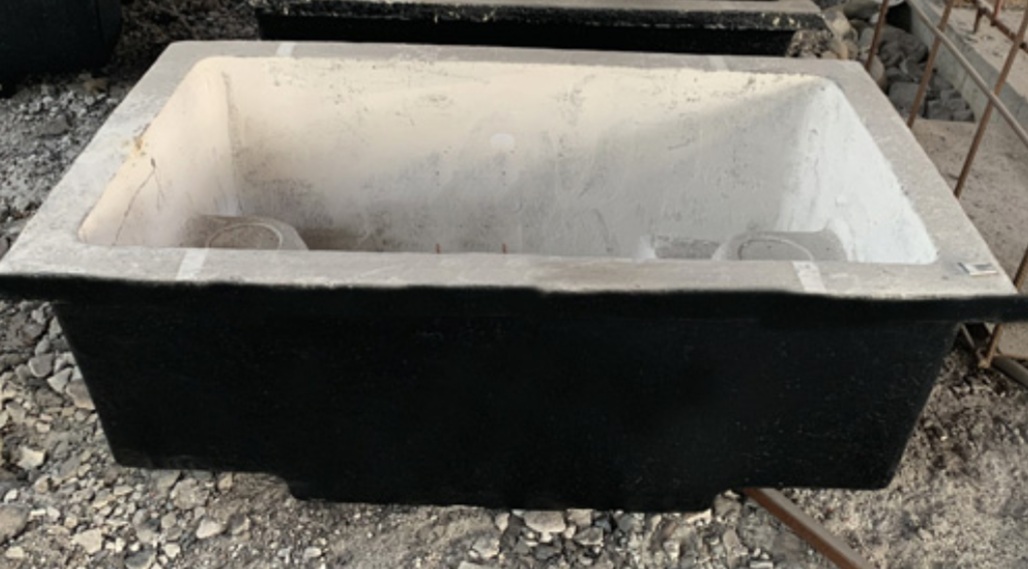
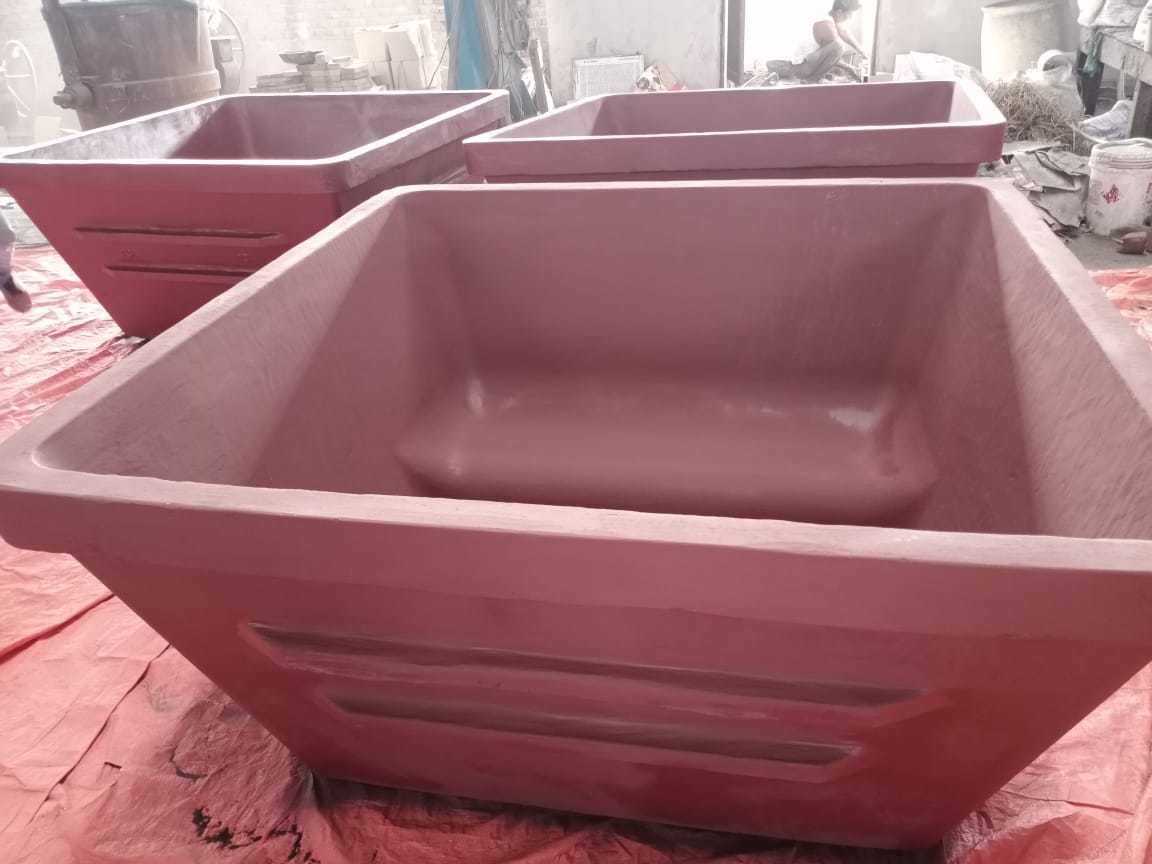
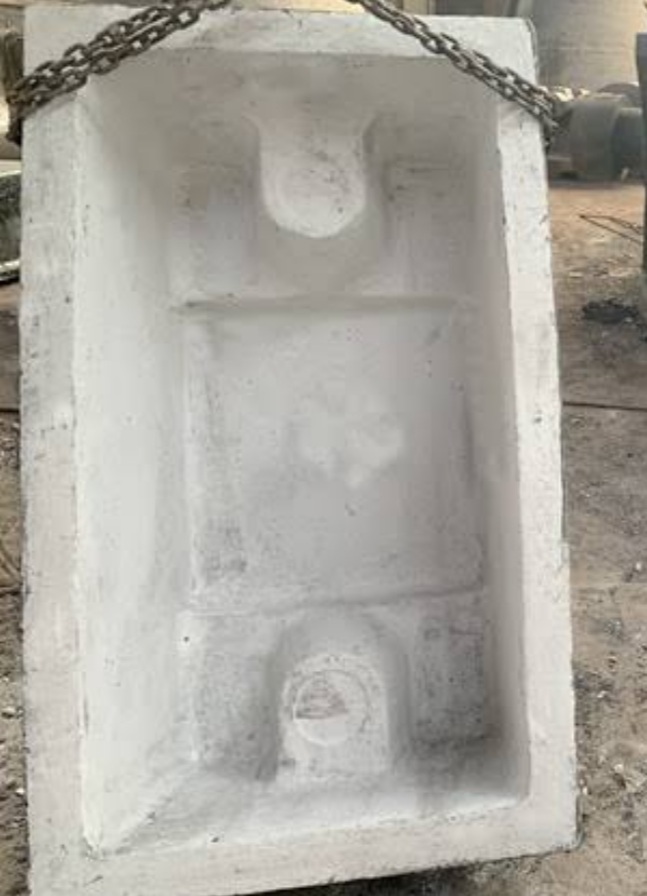
Sow Mould Castings
Price 4000 - 8000 USD ($)/ Piece
MOQ : 2000 Kilograms
Sow Mould Castings Specification
- Cavity
- Single Cavity
- Life Span
- 5-10 years
- Mold Base
- Cast Iron / Mild Steel
- Molding Material
- Steel, Cast Iron
- Shaping Mode
- Casting
- Material
- Alloy Steel / Cast Iron / Mild Steel
- Tolerance
- 2 mm
- Mould Weight
- 2000 kg - 5000 kg
- Mould Life
- Up to 100000 cycles
- Heat Resistance
- Up to 1350°C
- Application
- Industrial Metal Ingots Production
- Manufacturing Process
- Sand Casting / Die Casting
- Color
- Black or as per customer requirement
- Dimension
- Customized (Standard: 1000 x 500 x 300 mm)
- Shape
- Rectangular / Customizable
- Surface Treatment
- Sand Blasting / Shot Blasting
- Product Finish
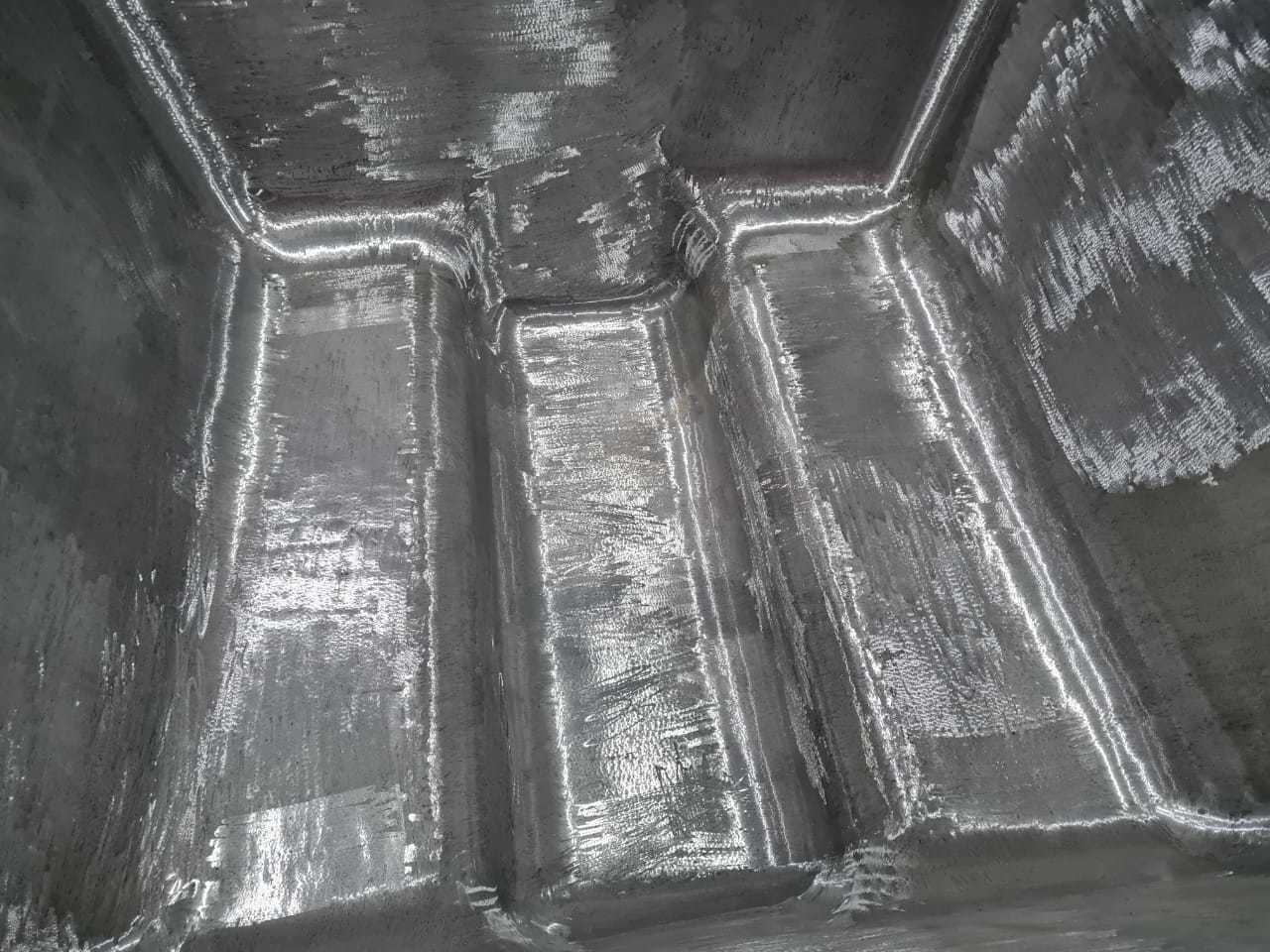
- Smooth Surface
- Hardness
- 180-250 HB
Sow Mould Castings Trade Information
- Minimum Order Quantity
- 2000 Kilograms
- FOB Port
- ICD Ahmedabad
- Average Load Time
- 45 Days
- Supply Ability
- 50 Kilograms Per Month
- Delivery Time
- 60 Days
- Sample Policy
- Contact us for information regarding our sample policy
- Packaging Details
- Palletized
- Main Export Market(s)
- Western Europe, Australia, North America, Middle East, South America, Asia, Africa
- Main Domestic Market
- All India
- Certifications
- ISO
About Sow Mould Castings
Sow Mould Castings
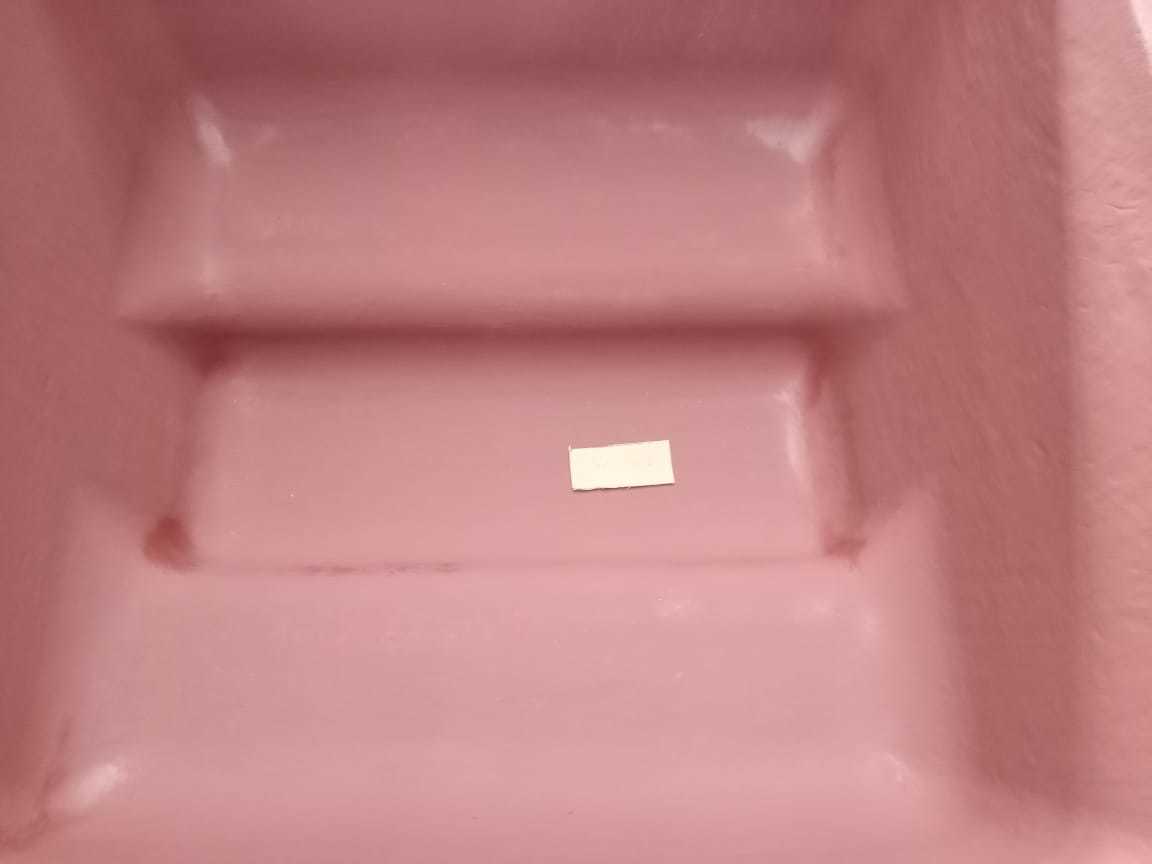
Our product have the best finish for easy retrival off sows. Also, have excellent life span. Comes in different sow sizes or can be custom made as per customer specifications. Comes in different steel grades.
Can supply with sow hooks, Drain pans, and other accessories as per requirement.
Superior Durability and Heat Resistance
With a heat resistance up to 1350C and a hardness of 180-250 HB, these sow mould castings offer outstanding durability and can handle the rigors of repeated industrial use in metal ingot production. Their robust construction and surface treatments help enhance longevity, supporting a service life of up to 100,000 cycles and ensuring a consistent smooth finish over years of operation.
Customized Solutions for Industrial Needs
Our moulds are available in standard rectangular shapes or can be customized according to your specifications. Dimensions, color, and cavity configurations are tailored to meet unique project requirements, making them suitable for various industrial metal ingot production applications. This flexibility allows manufacturers to optimize their processes and achieve precise casting results.
FAQ's of Sow Mould Castings:
Q: How is the surface treatment of the sow mould castings performed?
A: The surface treatment is carried out using sand blasting or shot blasting methods, which remove impurities and enhance the smoothness of the mould surface. This not only improves the casting quality but also helps prolong the lifespan of the mould.Q: What materials are used in manufacturing these moulds?
A: Sow mould castings are manufactured from alloy steel, cast iron, or mild steel. The choice of material depends on the required mechanical properties, heat resistance, and durability for specific industrial ingot production applications.Q: When should I consider using customized mould dimensions?
A: Customized dimensions are ideal when your production requires specific sizes or shapes that differ from the standard 1000 x 500 x 300 mm. Customization ensures optimal fit, efficiency, and performance in your casting processes.Q: Where are these sow mould castings typically used?
A: These castings are primarily used in industrial environments for the production of metal ingots. Their configuration supports processes in foundries, metal casting facilities, and large-scale metallurgy plants.Q: What is the process for manufacturing the sow mould castings?
A: The manufacturing process involves either sand casting or die casting techniques. Quality-controlled procedures ensure precise mould shapes, accurate tolerance (2 mm), and a robust, heat-resistant product suitable for high-volume production.Q: How does the smooth surface finish benefit my casting operations?
A: A smooth surface finish minimizes defects in the produced ingots, leads to easier mould release, and reduces the need for additional surface processing. This enhances overall productivity and quality in metal ingot manufacturing.Q: What are the advantages of the mould's long life span and cycle count?
A: With a life span of 5-10 years and up to 100,000 operational cycles, these sow moulds lower replacement frequency, reduce downtime, and offer significant cost savings over extended periods of production.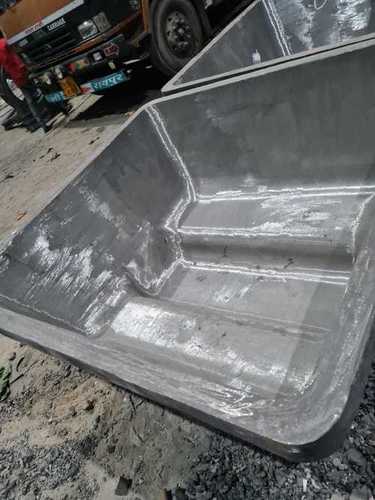
Tell us about your requirement

Price:
Quantity
Select Unit
- 50
- 100
- 200
- 250
- 500
- 1000+
Additional detail
Mobile number
Email


Contact Details
GST : 24AAOFT9928Q1Z1
- Plot No. 14, Shrey Industrial Park, Dhamatvan Undrel Road, Village. Dhamatvan,Ahmedabad - 382435, Gujarat, India
- Phone :08071792894
 Send Inquiry
Developed and Managed by Infocom Network Private Limited.
